
7 Ghost Towns in Pennsylvania You Won't Believe Still Exist
Pennsylvania, United States
41.2033 N, 77.1945 W
Pennsylvania has more ghost towns than most states because it had more industry than most states. Coal mining started here in the 1790s. Oil was discovered here in 1859. Steel mills lined the rivers for generations. When those industries collapsed, they did not just erase jobs. They erased entire communities.
Some of those communities disappeared completely. Others are still standing, partially preserved and partially reclaimed by forest, weather, and neglect. These are seven Pennsylvania ghost towns that still exist.
1) Centralia
In Columbia County, Centralia is still burning underground. The coal seam fire started on May 27, 1962 during a landfill cleanup when trash burning in a strip mine pit reached old mine workings below town.
At its peak in 1890, Centralia had 2,761 residents. By the 1980s, sinkholes were opening and carbon monoxide was entering homes. In 1979, a gas station owner recorded underground tank temperatures of 172 degrees Fahrenheit, where 55 degrees is normal.
Congress allocated $42 million in 1984 to relocate residents. The state condemned properties in 1992, the ZIP code was revoked in 2002, and the former Graffiti Highway was covered in 2020. Fewer than five people remain today. The fire now spans roughly 400 acres and can exceed 1,000 degrees Fahrenheit at the surface.
2) Concrete City (Nanticoke)
In 1911, the Delaware, Lackawanna and Western Railroad built twenty duplex homes for coal miners near Nanticoke in Luzerne County. The homes were concrete structures reinforced with steel, advertised as a model settlement in the anthracite region.
Rent was $8 per month, but only 40 of roughly 1,700 nearby miners qualified. The design failed in winter conditions. Moisture retention and severe cold led to constant complaints, including reports of clothing freezing on interior walls.
By 1924, local officials required a sewage upgrade estimated at $200,000. The company refused and abandoned the site. Demolition attempts in the 1930s used about 100 sticks of dynamite and still failed to bring the buildings down. All twenty structures remain standing.
3) Eckley Miners' Village
Eckley began in 1854 as Fillmore, then was renamed Eckley in 1857. It was built as a classic company patch town: homes, store, church, and social order all tied directly to mine ownership.
The town layout reflected rank. Owners lived at one end, foremen in the middle, and laborers at the opposite end in smaller housing. Mining continued into the 1960s.
In 1969, Paramount filmed The Molly Maguires in the village. On April 8, 1970, the company donated Eckley to Pennsylvania for $1. Today it is operated by the Pennsylvania Historical and Museum Commission as a living history site spanning about 100 acres with around 200 structures.
4) Yellow Dog Village
Yellow Dog Village sits west of Kittanning in Armstrong County. Built in the 1920s by Pittsburgh Limestone, it included roughly 22 to 26 buildings for quarry workers and their families.
Its name came from "yellow dog contracts," employment agreements that barred workers from joining unions.
Around 2009, E. coli contamination in the water supply led to abandonment. Interiors were largely left as-is, with furniture and personal items still inside. In 2022, a Pittsburgh couple bought the village for $100,000 and started restoration.
Yellow Dog Village is private property and open only through paid, scheduled tours.
5) Pithole City
Pithole's boom began on January 7, 1865, when the Frazier Well hit about 250 barrels of oil per day in Venango County. By December 1865, the population had surged to between 15,000 and 20,000.
At peak, Pithole had 54 hotels, three churches, an 1,100-seat theater, and a daily newspaper. It also became Pennsylvania's third-busiest post office behind Philadelphia and Pittsburgh.
In October 1865, Samuel Van Syckel built the world's first oil pipeline out of town, running 5.5 miles. But the boom collapsed quickly. Oil prices crashed, banks failed, and by 1870 the census counted just 237 residents. In August 1878, the entire town was auctioned for $4.37.
Today, Pithole is mostly open ground with marked paths and a visitor center maintained by the Pennsylvania Historical and Museum Commission.
6) Rausch Gap
Rausch Gap lies in Lebanon County within St. Anthony's Wilderness, a remote section of Pennsylvania reached by foot on the Stony Valley Rail Trail.
Founded around 1828, it expanded after the Dauphin and Susquehanna Coal Company arrived in 1850 and made it a rail and mining base. Population reached roughly 1,000 in the early 1850s.
In 1872, railroad operations shifted to Pine Grove. The town's economic base vanished. By 1875, fewer than 100 residents remained. Buildings were gone by the 1880s, and by 1910 the site was fully abandoned.
What remains are stone foundations and a cemetery with about forty headstones. The ruins are about 3.5 miles from the Gold Mine Road trailhead, and cell service is limited to nonexistent.
7) Alvira
In Union County, inside State Game Lands 252, Alvira's remains include 149 concrete igloo bunkers spread through the brush.
In 1942, the federal government took about 8,500 acres, displaced residents, and built a TNT complex for World War II. After the war, parts of the bunker system were used to store radioactive Manhattan Project waste, including Uranium-234. Declassified records later identified bunkers 112, 120, 137, and 146 as key storage sites.
The radioactive material is no longer stored there, but the area is still hazardous in practical ways: this is active game land. High-visibility blaze orange is essential in hunting seasons. The old bunkers, cemeteries, and landscape remains are still visible.
The Numbers
- 7 towns: Covered in this episode
- 1790s: Start of Pennsylvania coal mining era
- 1859: Pennsylvania oil discovery date
- 2,761 residents: Centralia peak population
- 400 acres: Estimated size of Centralia's underground fire
- 20 buildings: Concrete City structures still standing
- 15,000-20,000 residents: Pithole population by late 1865
- $4.37: Price paid at Pithole's 1878 debt auction
- 149 bunkers: Concrete igloos remaining at Alvira
- 8,500 acres: Federal seizure area for Alvira in 1942
How to Visit
Each location has different access rules and risks:
- Centralia: Public roads remain, but heat, sinkholes, and gas hazards still exist.
- Concrete City: Open-air ruins; surfaces are unstable and often vandalized.
- Eckley Miners' Village: Formal museum operations with public visiting hours.
- Yellow Dog Village: Private property. Tour reservation required.
- Pithole: Managed historic site with marked paths and visitor facilities.
- Rausch Gap: Hike-in site with limited services and no reliable cell signal.
- Alvira: Active game land. Wear blaze orange and avoid unsafe hunting-period travel.
Always verify current ownership, seasonal restrictions, and safety notices before visiting any abandoned site.
Previous
Lynnewood Hall: Gilded Age Shell
Elkins Park, Pennsylvania
Next
Picher, Oklahoma: The Toxic Town Rebuilt by the Quapaw Nation
Picher, Oklahoma
Related Stories
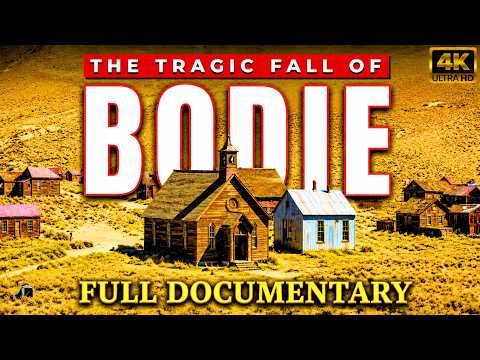
Bodie, California
The Rise and Fall of America's Richest Gold Rush Town: Bodie, California
Bodie rose from a wind-scoured mining camp into one of the West's most notorious gold rush boomtowns, then collapsed into a preserved ghost town held in arrested decay.
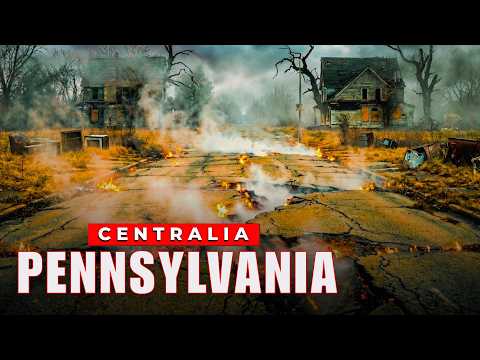
Centralia, Pennsylvania
Inside Centralia: The Town Burning For 60 Years
Beneath rural Pennsylvania, a fire has been burning for 60 years and may burn for 200 more. This is Centralia.