
Lynnewood Hall: Gilded Age Shell
Elkins Park, Pennsylvania
40.072 N, 75.136 W
Lynnewood Hall was finished in 1900 for streetcar magnate Peter A. B. Widener. Horace Trumbauer designed the limestone palace with a 400-foot-long facade, art galleries, and a ballroom large enough for an orchestra and billiard lounge. The Titanic disaster and family tragedies drained the estate, leaving the mansion stripped of masterworks and maintenance budgets.
Frozen In Place
Today the interiors oscillate between stabilized and decaying. Elaborate plaster ceilings peel, marble fireplaces collect dust, and the great hall echoes when restoration crews open the doors a few times a year. The sprawling grounds remain fenced, making aerial mapping the safest way to capture its footprint.
Preservation Tug-Of-War
Developers have floated plans ranging from condominiums to boutique hotels, while preservation nonprofits try to raise tens of millions for structural repairs. Tracking Lynnewood Hall shows how Gilded Age excess collides with 21st-century reuse challenges.
Previous
Inside the 8-Pound Mistake That Almost Leveled Arkansas
Damascus, Arkansas
Next
7 Ghost Towns in Pennsylvania You Won't Believe Still Exist
Pennsylvania, United States
Related Stories

Lower Manhattan, New York
Why New York Hated The Twin Towers: Radio Row Documentary
Radio Row was America's dense marketplace for radios, televisions, surplus parts, and electronic invention. A deal to rescue a commuter railroad moved the World Trade Center directly onto its blocks.

Lincoln Square, Manhattan, New York
This Famous Neighborhood Is Buried Under Lincoln Center: San Juan Hill Documentary
San Juan Hill nurtured Black music, Puerto Rican life, and generations of working families. A Robert Moses-led urban renewal project displaced thousands and delivered the cleared land to Lincoln Center.
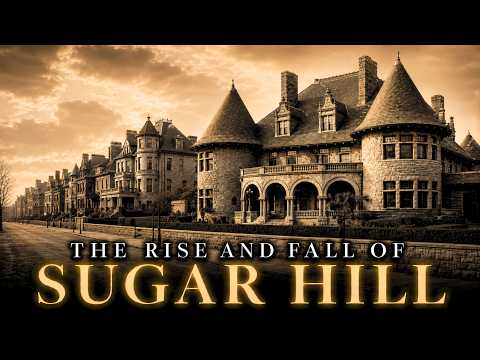
West Adams, Los Angeles, California
The Neighborhood Buried Under the Santa Monica Freeway: Sugar Hill Documentary
Black homeowners defeated the racial covenants aimed at removing them from Los Angeles' Sugar Hill. Less than twenty years later, the Santa Monica Freeway demolished the neighborhood's core.